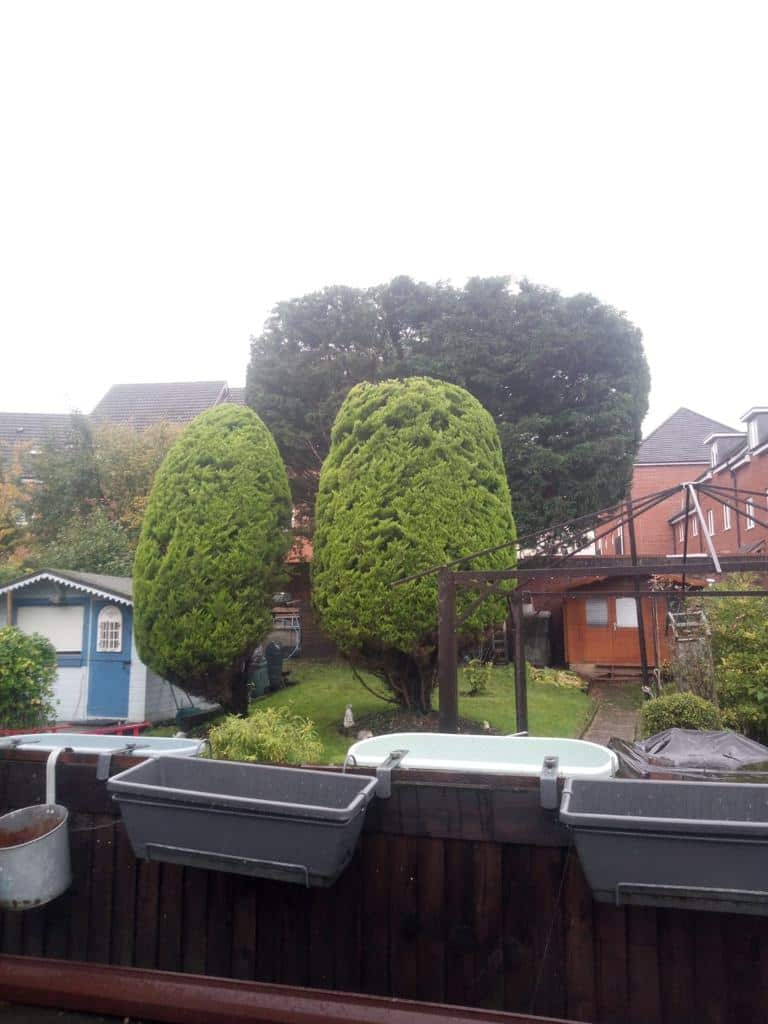
Trees are an important part of any landscape, providing shade, character, and environmental benefits. However, even healthy-looking trees can develop risks as they mature, and without proper care, these risks can increase quietly over the years. Understanding why some trees become dangerous helps homeowners take the right steps to protect their property and maintain a safe outdoor environment.
At Sawston Tree Surgeons in Sawston, Cambridge, we help local homeowners identify early warning signs and manage tree safety through professional inspections, pruning, and corrective work.
Natural Ageing and Structural Weakening
Like all living things, trees age. As they mature, their internal structure can deteriorate, making them less stable.
Common age-related issues include:
- Internal decay that is hidden from view
- Weak or hollow trunks
- Reduced flexibility in strong winds
- Declining branch strength
Older trees can still be enjoyed, but they often require closer monitoring to ensure they remain safe.
Disease and Fungal Infection
Tree diseases often develop gradually and can spread before obvious symptoms appear. Fungal infections, in particular, compromise the structural integrity of roots, trunks, and branches.
Signs to watch for include:
- Mushrooms or fungal growth around the base
- Dead sections within the canopy
- Cracking or peeling bark
- Discoloured or thinning leaves
If left untreated, disease may progress to the point where the tree becomes unstable.
Root Problems That Undermine Stability
Healthy roots anchor a tree firmly in the ground. When roots are damaged or restricted, the tree may become unstable—even if the canopy looks healthy.
Root issues may arise from:
- Soil compaction caused by foot traffic or vehicles
- Construction or landscaping work
- Waterlogging or poor drainage
- Root rot or fungal infections
Unstable roots significantly increase the risk of the tree falling during bad weather.
Weather-Related Stress Over Many Seasons
Years of exposure to storms, heavy winds, snow, and fluctuating temperatures take a toll on trees. Repeated weather stress can lead to:
- Branch cracks
- Leaning trunks
- Weak limb unions
- Torn bark or split branches
While a single storm may not cause visible damage, cumulative stress can weaken a tree over time.
Overgrown or Unbalanced Canopies
A tree that grows without regular pruning may develop an uneven canopy. Too much weight on one side, or branches that extend too far outward, increase the risk of breakage or collapse.
An unbalanced canopy can cause:
- Leaning and instability
- Excess pressure on lower limbs
- Higher risk of falling branches
- Poor wind resistance
Routine tree surgery helps maintain a structurally sound, well-shaped canopy.
Competition for Space and Resources
Trees surrounded by other plants or structures may struggle for light, nutrients, and root space. This competition can weaken growth and lead to instability.
Problems arise when trees:
- Grow too close to buildings or fences
- Compete with neighbouring trees
- Extend roots into restricted or unsuitable areas
Limited space often leads to deformation, leaning, or surface root exposure—all of which can make a tree unsafe.
Hidden Damage from Pests
Certain insects and pests bore into trunks, weaken branches, or destroy essential structural tissue. While the damage may be hidden, its effects can be severe.
Examples include:
- Boring insects creating internal cavities
- Pests damaging bark layers
- Nests causing branch instability
A professional inspection can uncover these issues before they become hazardous.
Neglect and Lack of Maintenance
Trees require care just like any part of a property. Without routine inspection or pruning, minor issues gradually worsen until the tree reaches a dangerous state.
Neglect often leads to:
- Overgrowth
- Deadwood accumulation
- Structural imbalance
- Hidden decay
Regular maintenance is the most effective way to prevent long-term danger.
Conclusion
Trees become dangerous for many reasons—ageing, disease, root instability, weather stress, pests, and lack of maintenance. The risks often develop slowly, making professional inspections essential for identifying problems early.
If you’re concerned about the safety or condition of a tree on your property, Sawston Tree Surgeons in Sawston, Cambridge is here to help. Get in touch today to arrange an expert assessment and keep your garden safe and well-managed.
Call us on: 01223 912 294
Click here to find out more about Sawston Tree Surgeons
Click here to complete our contact form and see how we can help with your tree care needs.